
Our Theory of Change
Founding Futures CIC
How Founding Futures Creates Change
Founding Futures CIC works on the belief that people thrive when they feel supported, connected and able to make choices in their own lives.
Our Theory of Change explains how accessible, preventative and community-based support strengthens individuals, families and communities over time.
The Challenge We Are Responding To
Across communities, many people are experiencing declining wellbeing, rising isolation and reduced access to timely, human support. Too often, help is only available once problems escalate to crisis or clinical thresholds.
This leaves people struggling alone, undermines confidence and connection, and increases pressure on already stretched services.
Our Core Assumption
We believe that early, human-centred support prevents escalation and creates stronger outcomes than late, crisis-led intervention.
When people feel safe, seen and supported, they are more able to regulate stress, rebuild confidence, strengthen relationships and engage with opportunity.
Connection is not an add-on to change. It is a driver of change.
What we do
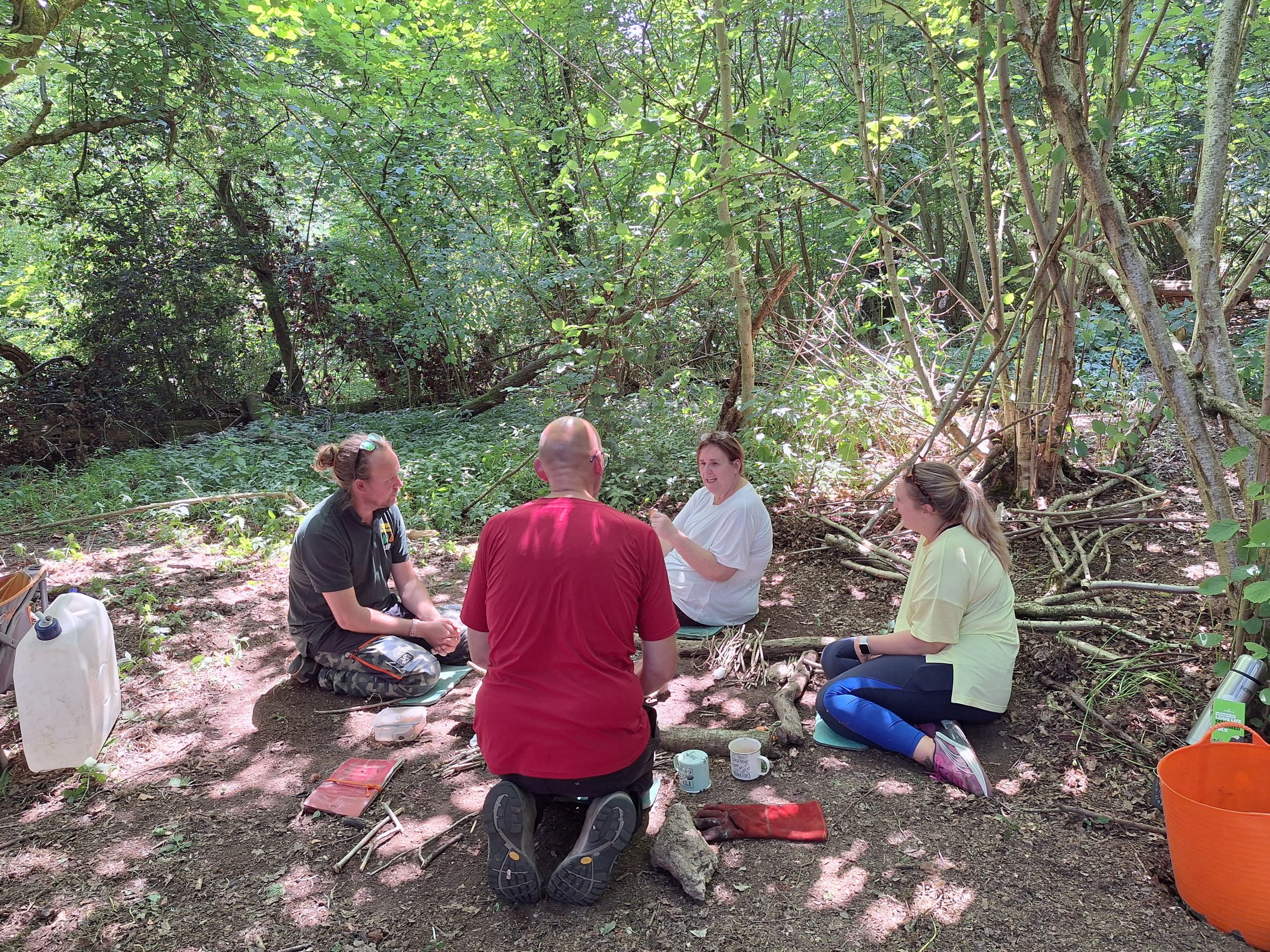
Founding Futures CIC provides accessible, non-clinical and preventative support through coaching, mentoring, wellbeing and nature-based programmes, movement, practical skills development and inclusive community spaces.
Our work is:
-
Community-based and relational
-
Trauma-aware and dignity-led
-
Designed for real life, not ideal circumstances
-
Accessible to people who are often excluded from traditional support
How change happens
Our approach creates change through a clear and intentional pathway:
1. Access and safety
People are able to access support without stigma, cost barriers or complex thresholds. Safe, welcoming spaces reduce anxiety and build trust.
2. Connection and stabilisation
Through group and relational support, people feel less alone, steadier and more emotionally supported.
3. Confidence and self-belief
As people reconnect with themselves and others, confidence and self-trust begin to rebuild.
4. Clarity and agency
People gain greater clarity about what matters to them and feel more able to make choices about their lives, work and wellbeing.
5. Participation and progression
With improved wellbeing and confidence, people are more ready to engage with opportunities, community life, employment or further support where appropriate.
Outcomes over time
As a result of this pathway, people commonly experience:
-
Improved mental and emotional wellbeing
-
Reduced isolation and stronger social connection
-
Increased confidence, self-belief and resilience
-
Greater sense of hope and possibility
-
Increased readiness to engage with work, learning or opportunity
These individual changes create ripple effects, strengthening families and contributing to healthier, more connected communities.
Learning, evaluation and accountability
We use proportionate, human-centred evaluation to understand impact and continuously improve our work.
This includes:
-
Pre- and post-support wellbeing and confidence measures
-
Participant feedback and reflection
-
Attendance and engagement tracking
-
Learning reviews across programmes
Learning informs programme development, strengthens evidence and ensures accountability to participants, partners and funders.
Wider impact
By supporting people earlier and preventing escalation, our work contributes to:
-
Reduced pressure on statutory and clinical services
-
Stronger community resilience and connection
-
Improved social and financial mobility
-
More equitable access to support and opportunity
This is how Founding Futures CIC contributes to long-term, systemic change.