Needs Statement – The Case For Change
Founding Futures CIC
The evidence, the gaps, and the human reality behind our mission.
Across the UK, people are struggling quietly under pressures that were never meant to be carried alone.
Support systems are overwhelmed. Communities are stretched thin. And the help that could make a difference is too often out of reach.
People are navigating stress, uncertainty and exhaustion with nowhere safe to turn.
Parents are holding families together without support. Young people are slipping through systems that can’t meet their needs.
Adults are juggling work, finances and responsibility while feeling increasingly isolated.
Those seeking stability, opportunity or change often find closed doors, long waiting lists or support that doesn’t feel human, relevant or accessible.
Meanwhile, connection is collapsing. Whether it be to ourselves, to others, or within our communities. People feel isolated, families feel alone, while whole communities feel fragmented. Countless people feel unseen, unheard and unsupported, not because they aren’t trying, but because the pathways to help simply aren’t there.
This isn’t a gap.
It’s a widening divide.
And every day, people are falling through it.
Founding Futures CIC exists because too many people are being left behind by systems that weren’t built for real life.
We step in where traditional support falls short, offering human, accessible and barrier-free support that strengthens wellbeing, restores connection and opens the door to real possibility. Here, we bring together evidence, lived experience and the community realities that make our work not only valuable but vital.
The Need: People Are Struggling to Feel Well, Connected and Supported
Evidence shows declining wellbeing, rising isolation and reduced access to supportive environments across the UK.
-
1 in 4 adults experience mental health challenges each year, with up to a third reporting significant isolation.
-
Many feel disconnected from themselves, struggling with confidence, motivation, purpose or emotional regulation. Among those who feel lonely, 80% report symptoms of anxiety or depression, and around 75% report little or no sense of meaning or purpose.
- Loneliness and social isolation are increasing across all ages and disproportionately impacting low-income households. Isolation raises the risk of heart disease by 29% and stroke by 32%.
- Poor social connection increases dementia risk in older adults by 50%, and lonely adults are 30% more likely to report frequent worry and sadness.
- Nearly half of UK adults say they lack meaningful connection with their community. Lower-resource communities often have reduced access to green spaces, wellbeing provision and supportive networks. Without accessible guidance, many feel unable to make meaningful change in their lives.
- Yet we know that connection works: 90% of volunteers say it improves their social life, and 89% feel more connected to their community. Those without support describe feeling “stuck,” “alone,” “overwhelmed” or “left behind.
The Gap: Support Exists — But Not for Everyone
Expert support is available in the UK, but it is often inaccessible to those who need it most.
Coaching, mentoring, mental–emotional wellbeing support, nature-based interventions and accessible fitness programmes are proven to:
-
Increase confidence and self-belief
-
Improve mental and physical health
-
Strengthen social connection
-
Build resilience
-
Support positive life choices
-
Improve job readiness, stability and social mobility
But these services are often:
-
Too expensive
-
Too clinical or intimidating
-
Too far away
-
Too exclusive or high-barrier
-
Not designed for people navigating real-life pressures
The result?
Those who would benefit the most are the least likely to access the support that could change their lives.
The Impact of Unmet Need
When early, human-centred support is missing, the effects ripple across individuals, families and communities.
Without access to support:
-
Mental wellbeing declines
-
Physical activity reduces
-
Stress and burnout increase
-
Isolation deepens
-
Confidence and hope decrease
-
Opportunities close
-
Families struggle
-
Communities weaken
This creates a reinforcing cycle where poor wellbeing, low confidence and isolation limit people’s ability to create change, affecting long-term outcomes.
Why Founding Futures CIC Is Needed
We exist to make expert support accessible, inclusive and designed for real life.
Our mission is simple and powerful:
To help people become happier, healthier and more connected — with themselves, with others, with nature and with their communities.
We remove barriers by offering:
-
Accredited coaching and mentoring that builds confidence, resilience and self-belief
-
Strategy and entrepreneurial support that helps people create their own opportunities
-
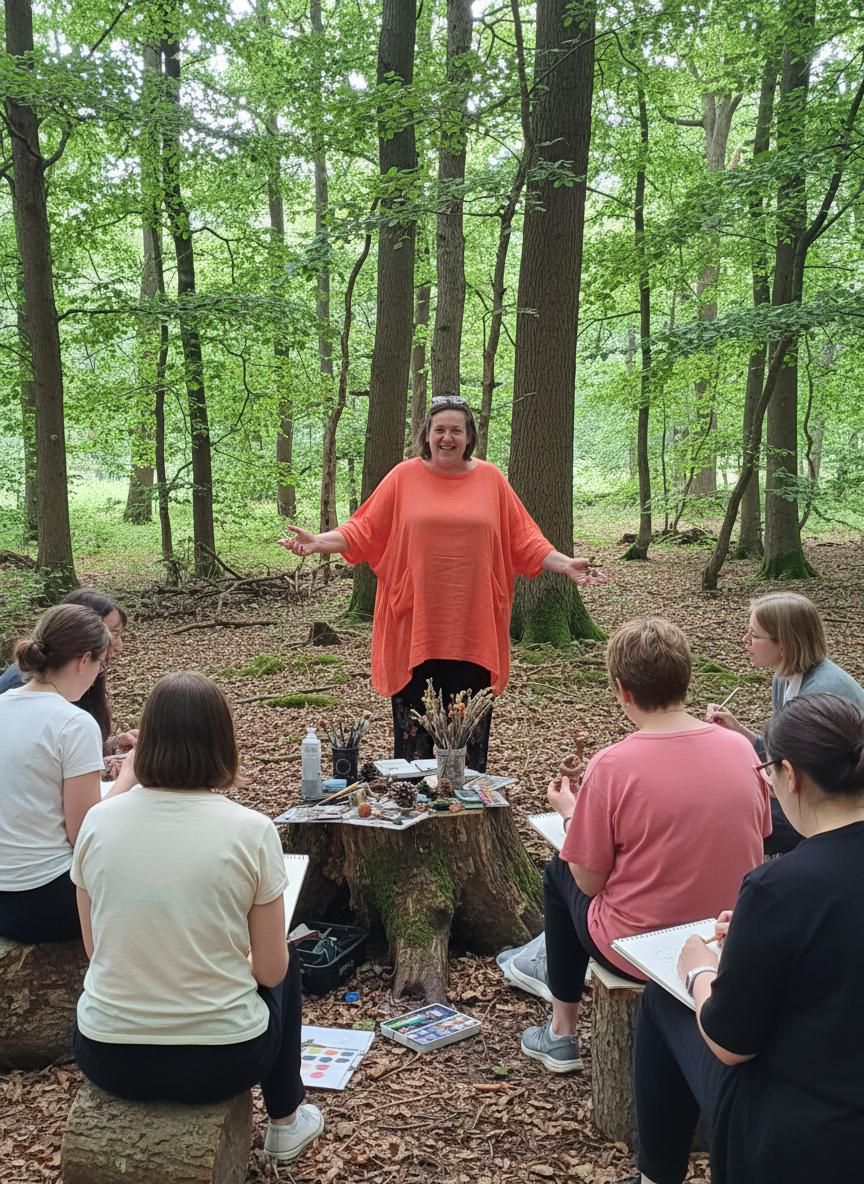
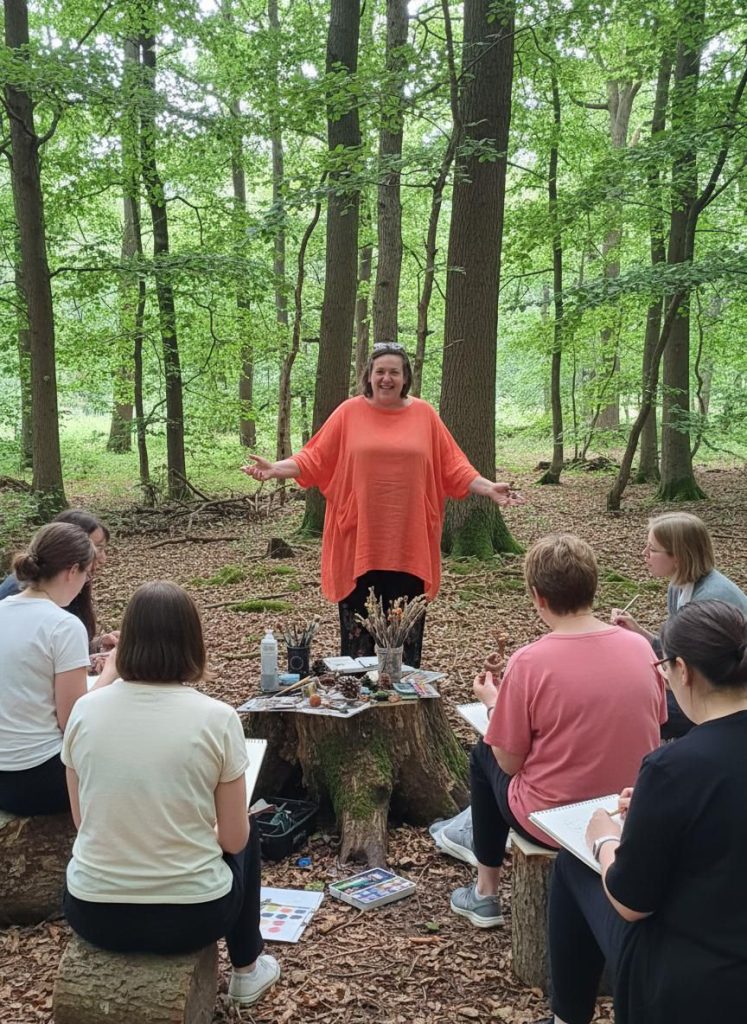
Nature-based wellbeing and forest therapy that improve emotional regulation and mental health
-
Fitness and movement programmes that support healthier lifestyles and a stronger family connection
-
Community spaces that reduce isolation and nurture belonging
We support people who often fall through gaps in traditional systems: those facing financial hardship, stress, overwhelm, low confidence, isolation or a lack of opportunities.
The Change We Create
Our approach strengthens individuals first, creating ripple effects across families and communities.
By combining accessible expert support with community and nature, we help people:
-
Improve mental and physical wellbeing
-
Build confidence, capacity and self-belief
-
Strengthen relationships and belonging
-
Reconnect with nature as a protective factor
-
Increase social mobility and opportunity
-
Create meaningful change in their lives, families and communities
This leads to stronger, healthier communities where people feel seen, supported and capable of shaping futures that matter to them.